
If you're shopping for portable internet in 2026, you've probably heard the buzz about satellite internet. It promises connectivity anywhere, from remote mountain campgrounds to the middle of the desert. But when you start looking at the price tags, things get complicated fast. Between equipment costs, monthly fees, and service limitations, is satellite internet actually the best choice for RVers, truckers, and remote workers?
Let's break down the real costs and compare your options so you can make an informed decision without any surprise charges down the road.
The True Cost of Satellite Internet: More Than Just Monthly Fees
Satellite internet providers love to advertise their monthly rates, but that's only part of the story. The upfront investment can be substantial, and understanding the total first-year cost is critical.
Equipment Costs:
- Most satellite systems require purchasing a dish and modem upfront, typically ranging from $299 to $449
- Some providers offer financing at $12.99 to $19.99 per month, but this adds hundreds of dollars over time
- Shipping, taxes, and installation accessories can add another $50-$100 to your initial purchase
Monthly Service Fees:
- Basic plans start around $69.99/month for light usage with data caps
- Mid-tier plans with better speeds run $99-$120/month
- Premium unlimited plans can reach $165/month or higher
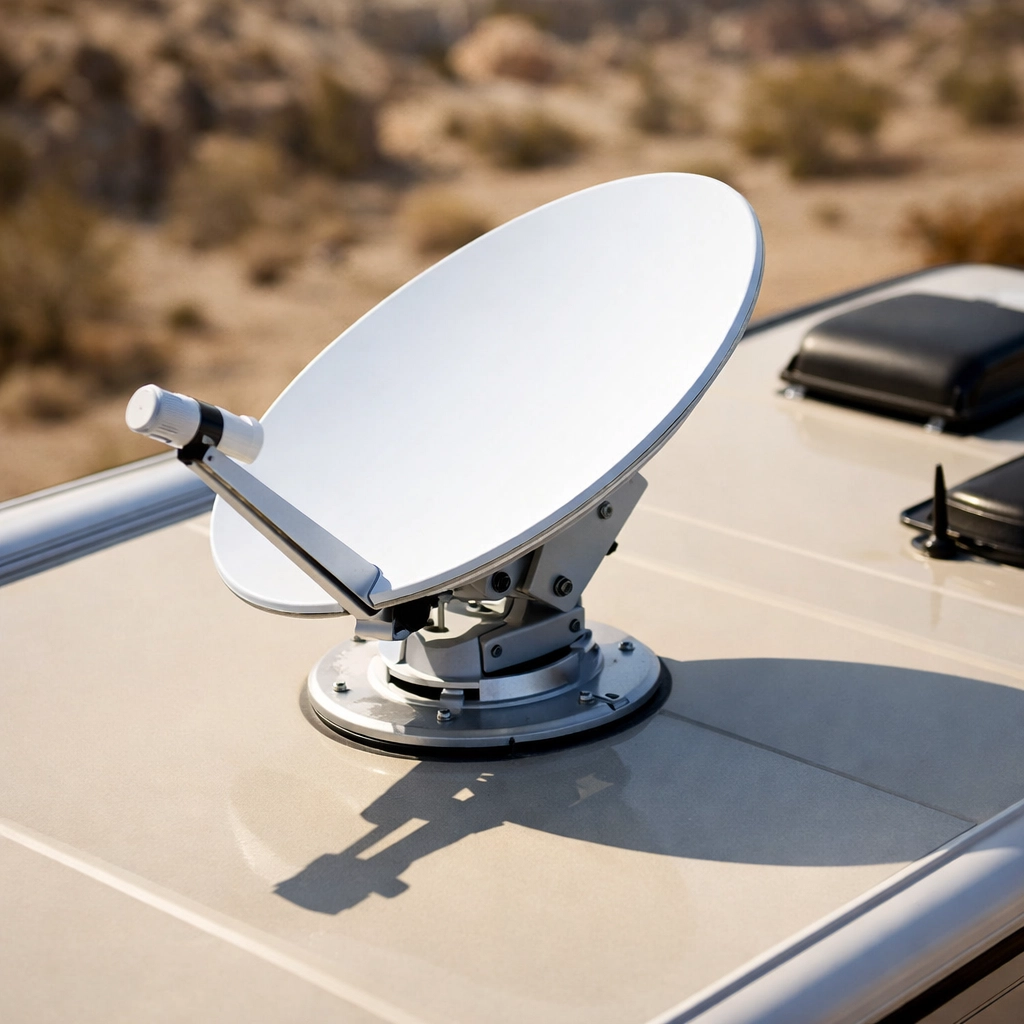
When you add it all together, your first-year cost for satellite internet typically falls between $1,150 and $2,400, depending on the plan and whether you finance equipment. That's a significant investment compared to land-based internet, which averages around $50-$70 per month with minimal setup costs.
Cellular-Based Portable Internet: The Flexible Alternative
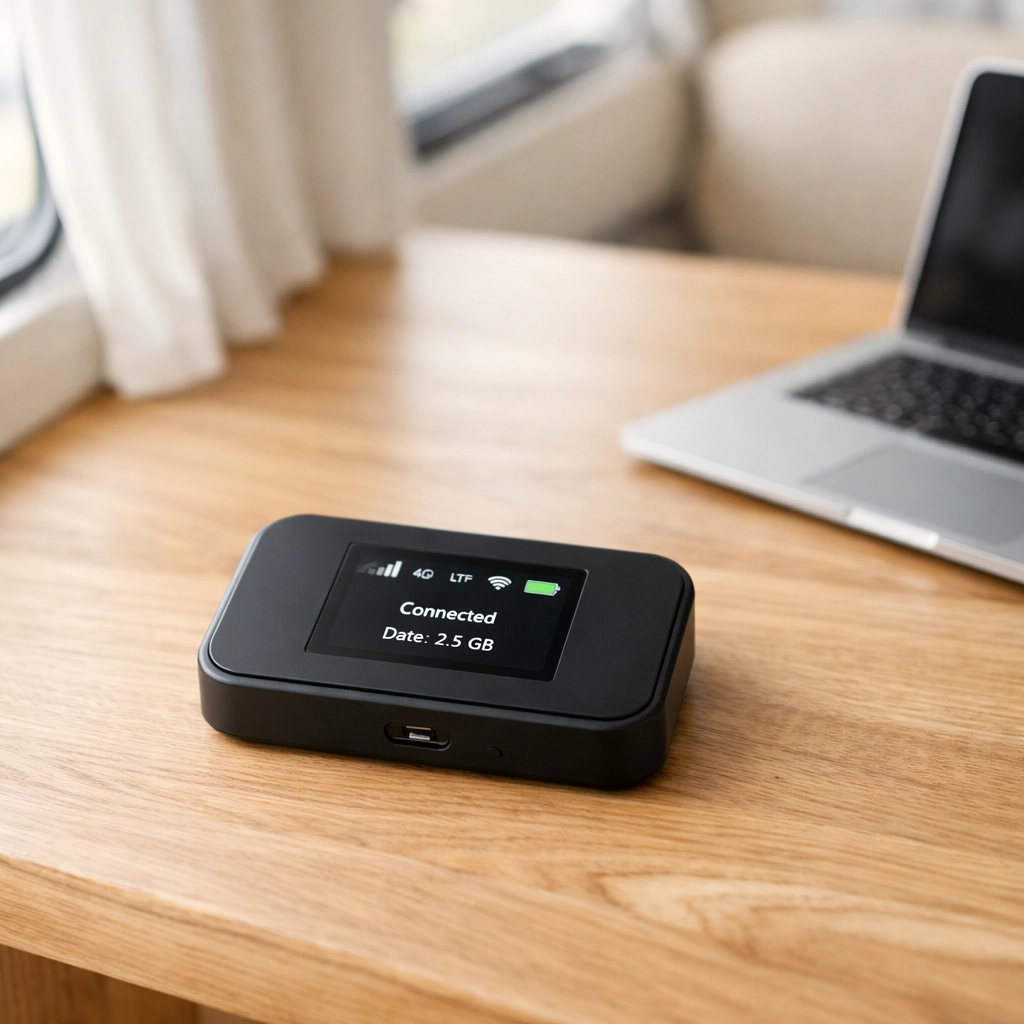
While satellite internet reaches remote areas, cellular-based portable internet has evolved significantly. Modern mobile hotspot unlimited data plans leverage networks from all major carriers, automatically switching between towers to maintain the strongest possible connection.
The Advantages:
- Lower entry costs: Most cellular solutions require minimal upfront investment, often just the hotspot device itself
- Faster setup: Plug-and-play functionality means you're online in minutes, not hours
- Better latency: Cellular connections typically offer lower ping times than satellite, making video calls and gaming more reliable
- No weather interference: Unlike satellite dishes that can lose signal in heavy rain or snow, cellular signals remain stable in most weather conditions
The Coverage Question:
Yes, cellular networks have limitations in extremely remote areas. However, with technology that taps into all major carriers simultaneously, modern mobile hotspots can find signal in places where your phone shows zero bars. For most RV parks, truck stops, and even rural properties within 20-30 miles of small towns, cellular coverage in 2026 is surprisingly robust.
Hidden Costs Most Providers Don't Advertise
Whether you're considering satellite or cellular internet, watch out for these budget-busters that don't always appear in the marketing materials:
Data Throttling and "Soft Caps":
Many providers advertise "unlimited" data but throttle your speeds after you hit a certain threshold: often as low as 100-200 GB per month. For a family streaming Netflix or a trucker video-calling home regularly, you could hit that cap in just two weeks.
Contract Lock-Ins:
Some satellite providers require 12-24 month contracts with early termination fees ranging from $200-$400. If your travel plans change or you're unhappy with service, you're stuck paying.
Equipment Return Fees:
Stop service early with some providers, and you may be required to return equipment or face charges of $300+ for unreturned hardware.
Regional Speed Variations:
That advertised "up to 150 Mbps" speed? In reality, you might see 25-50 Mbps during peak hours in congested areas. Always check real-world speeds, not theoretical maximums.
Who Should Choose What? Matching Internet to Lifestyle
The best portable internet solution depends entirely on how and where you use it.
Satellite Internet Makes Sense For:
- Full-time boondockers camping in genuinely remote wilderness areas for extended periods
- Maritime users traveling far offshore where cellular towers are completely out of range
- Properties in extreme rural locations with zero cellular coverage from any carrier
Cellular-Based Internet Works Best For:
- RV travelers moving between campgrounds, national parks, and towns where at least some cellular coverage exists
- Truckers who need reliable wifi for truckers at truck stops, rest areas, and along major highways
- Digital nomads working from various locations who need consistent, low-latency connections for video conferencing
- Weekend travelers who want simple, affordable travel wifi without major upfront investments

The Plug-and-Play Alternative: What Plans Starting at $69/Month (But Not Exceeding $99) Really Gets You
Here's the reality check: most people exploring satellite internet don't actually need satellite coverage. They need reliable internet that works in 95% of the places they travel: RV parks, campgrounds near towns, highway corridors, and rural areas within reasonable distance of civilization.
That's where cellular-based solutions shine. At Star Wifi, the approach is straightforward: plans starting at $69/month but not exceeding $99, with data tiers available within that price range so you can match performance to your lifestyle—while still keeping the unlimited data value proposition on residential and business plans where applicable.
Key Specs (Star Wifi):
- Pricing: $69–$99/month (data tiers available within that range)
- Top speeds: up to 500 Mbps with high-performance Star WiFi modems (coverage and real-world speeds vary by location and network conditions)
- Setup: Plug-and-play—power it on and connect your devices
Better yet, those up to 500 Mbps speeds are a key advantage over many portable options that top out far lower. The hotspot arrives ready to use: just power it on and connect your devices.
The Math Comparison:
Satellite Internet (First Year):
- Equipment: $349-$449
- Monthly service (mid-tier): $100 x 12 = $1,200
- Total Year One: $1,549-$1,649
Cellular Mobile Hotspot (First Year):
- Equipment: Included or minimal one-time cost
- Monthly service: $69-$99 x 12 = $828-$1,188
- Total Year One: ~$828-$1,188
That's a difference of $361-$821 in the first year alone (depending on tier). Over two years, you're looking at savings of $722-$1,642 compared to satellite alternatives—money that could fund several tank fills, campground stays, or other travel expenses.
Speed, Reliability, and Real-World Performance
Raw speed numbers don't tell the whole story. What matters for most users is consistent, usable internet for everyday tasks.
Satellite Internet Reality:
- Advertised speeds: 25-400 Mbps
- Real-world latency: 20-100ms (higher during congestion)
- Weather impacts: Signal loss during storms
- Data management: Possible throttling after usage thresholds
Cellular Hotspot Reality:
- Typical speeds: 25-100 Mbps (often faster in urban/suburban areas)
- Real-world latency: 15-50ms
- Weather impacts: Minimal
- Network redundancy: Automatic switching between all major carriers for best available signal
For streaming, video calls, remote work, and general browsing, both technologies work. The question is whether you're willing to pay double for satellite coverage you may rarely need.

Making the Right Choice for Your Lifestyle
Start by honestly assessing where you spend your time. Pull up your last six months of travel:
- How many nights were you truly off-grid with zero cell service?
- How often were you near towns, highways, or developed campgrounds?
- Did you actually need internet in the most remote locations, or could you disconnect for a few days?
For most RV travelers and truckers, the answer reveals that cellular-based portable wifi hotspot solutions cover 90-95% of their connectivity needs at roughly half the cost of satellite.
If you're spending significant time in Alaska's backcountry, sailing across oceans, or homesteading 50 miles from the nearest town, satellite might justify the premium. But for the majority of mobile internet users in 2026, cellular technology offers the best balance of cost, performance, and reliability.
The Bottom Line: Value Over Hype
Satellite internet has revolutionized connectivity in truly remote areas, and it deserves credit for that. But it's not the universal solution that marketing suggests, and the total cost can quickly add up.
When you factor in equipment costs, monthly fees, contracts, and real-world performance, cellular-based mobile hotspot unlimited data plans often deliver better value for money: especially if you're not regularly venturing into areas completely beyond cellular reach.
The key is choosing based on your actual needs, not fear of potentially needing coverage in extreme locations. Most travelers find that a plug-and-play, no-contract cellular solution with plans starting at $69/month but not exceeding $99 (with data tiers available) provides all the internet for RV life they actually use, without the sticker shock or long-term commitments.
Whether you're working remotely from your rig, streaming shows on layover, or staying connected with family from the road, the right portable internet solution should fit your budget and lifestyle( not force you to compromise on either.)
Leave a Reply